Building South Africa’s electric vehicle battery value chain for a just, low-carbon future
South Africa’s automotive industry is a cornerstone of the national economy, contributing significantly to GDP, exports and employment. However, as global markets rapidly transition towards electric mobility, the country faces both risks and opportunities. While South Africa possesses a strong automotive manufacturing base, significant mineral resources and established industrial capabilities, it currently remains a relatively small player in electric vehicle (EV) manufacturing and battery value chains. At the same time, less than 1.5% of new vehicles sold in South Africa in 2023 were electric.
The GEF-funded EV Battery Value Chain Project seeks to ensure that South Africa is not merely a consumer of electric vehicle technologies, but an active participant in the industries that will underpin the global energy transition. The project supports the development of local EV battery value chains through strengthened policy frameworks, quality infrastructure, skills development, investment promotion and circular economy solutions for battery end-of-life management.
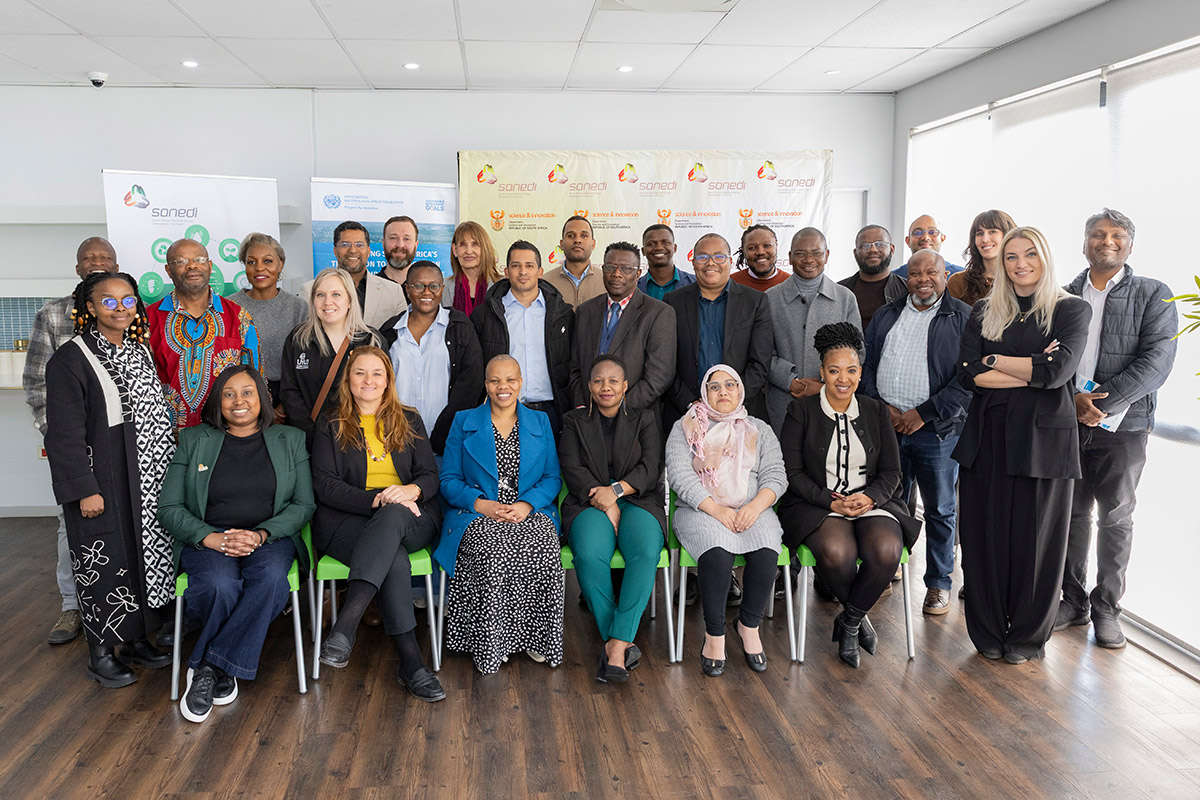
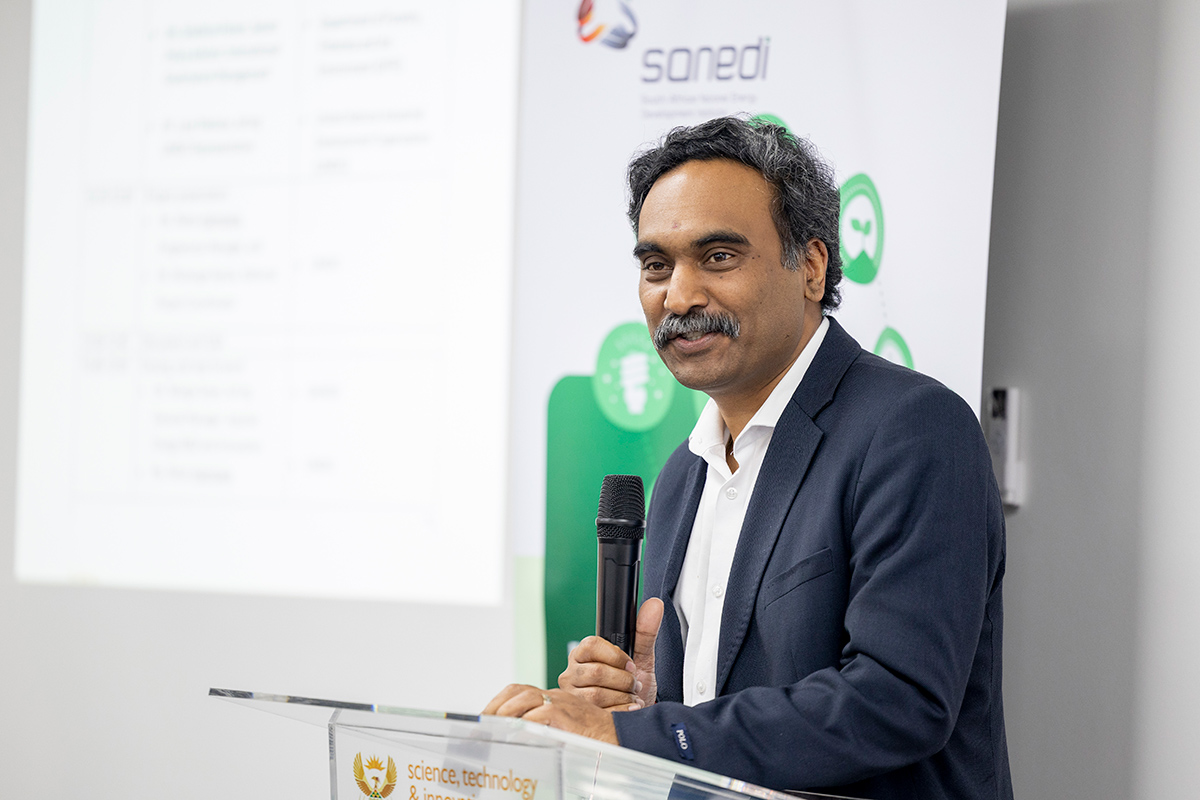
Implemented by UNIDO in partnership with the South African National Energy Development Institute (SANEDI), the project is funded by the Global Environment Facility (GEF) and implemented under the guidance of the Department of Trade, Industry and Competition (the dtic), the Department of Electricity and Energy (DEE) and the Department of Transport (DoT). The five-year initiative contributes to South Africa’s Just Energy Transition by supporting industrial development, climate action, investment mobilisation and job creation.
Making a difference
Launched in July 2026, the project aims to accelerate the development of South Africa’s low-carbon electric mobility ecosystem by creating the enabling conditions required for local manufacturing, battery innovation and value-chain development. Particular emphasis is placed on lithium-ion batteries, which represent approximately 35-40% of the value of an electric vehicle and are central to future automotive competitiveness.
The project will:
- Strengthen policies and regulations supporting EV and battery manufacturing
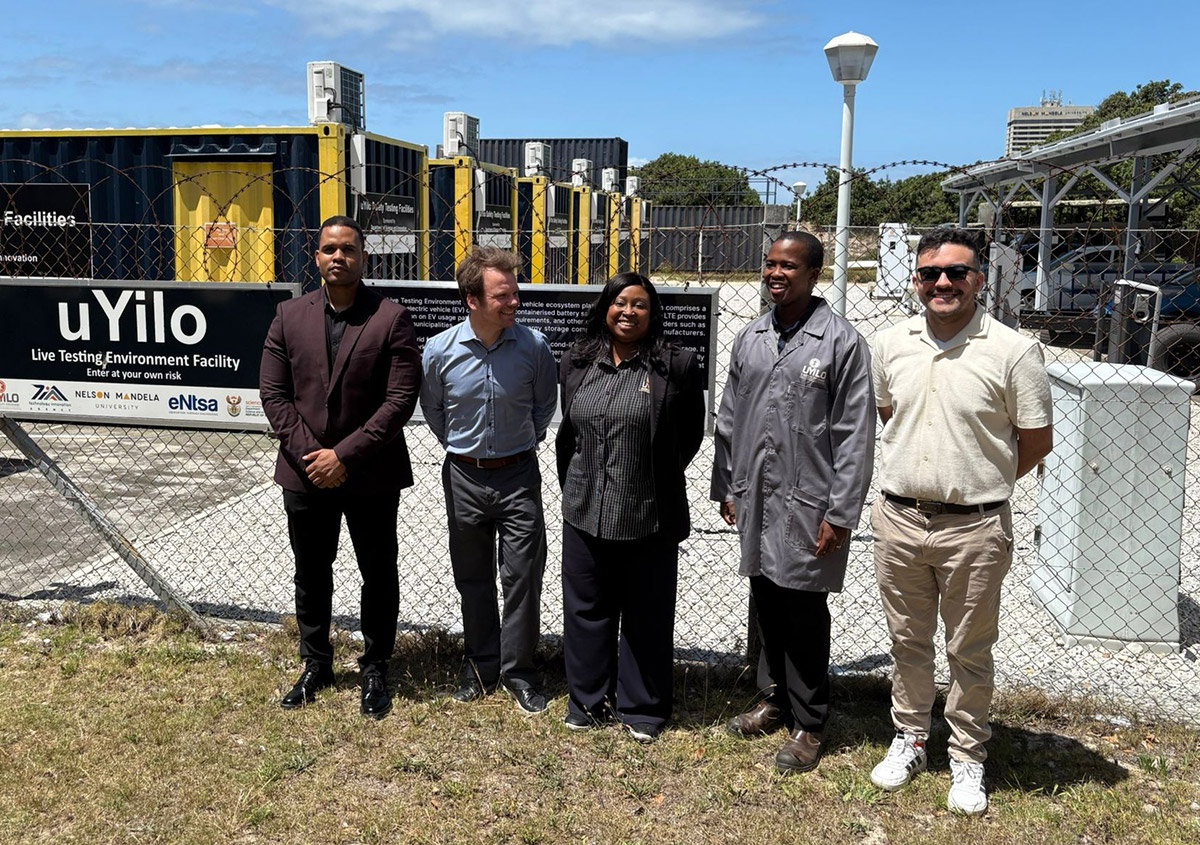
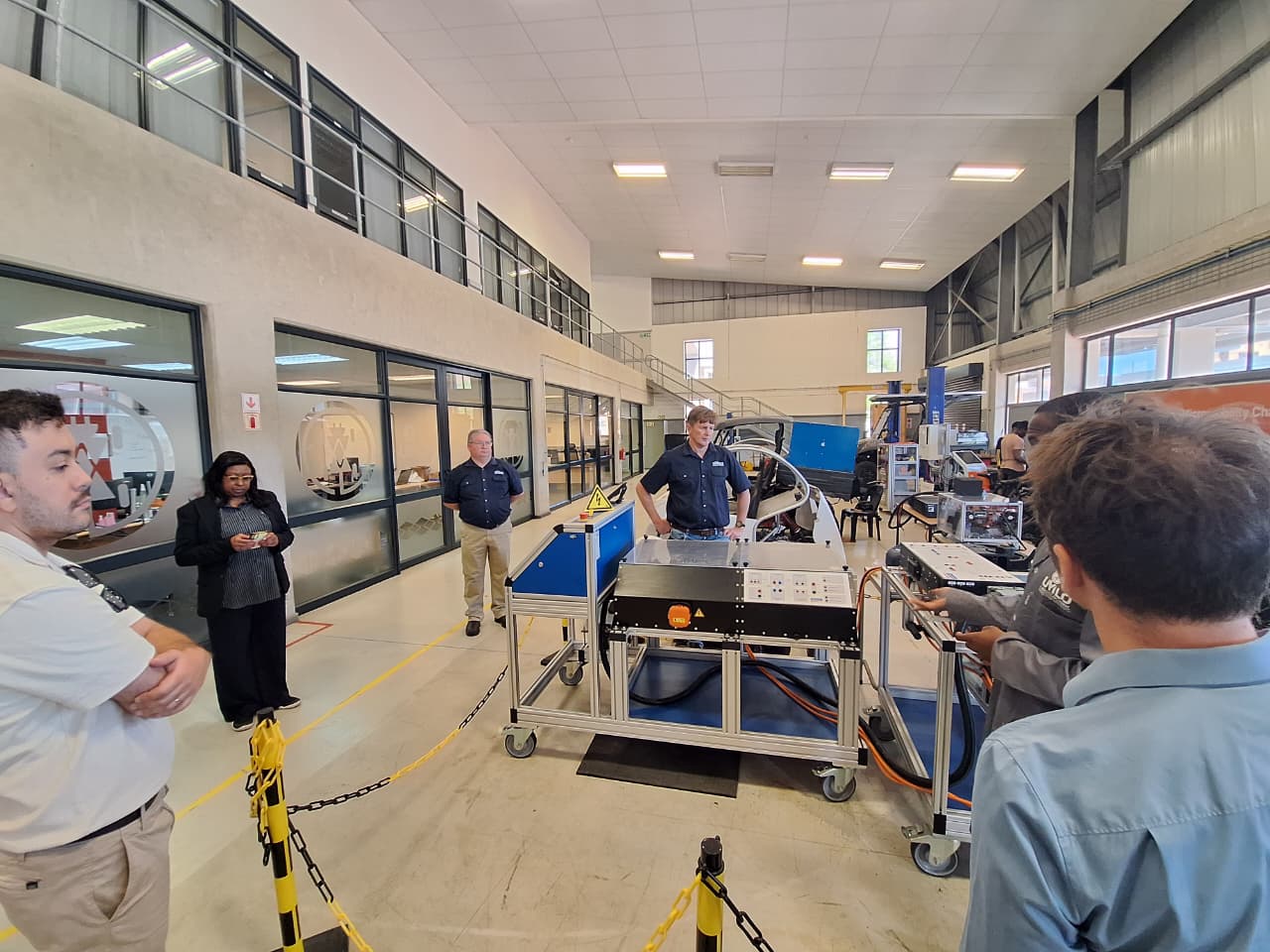
- Enhance South Africa’s quality infrastructure through battery testing and certification capabilities
- Develop technical skills required for the emerging EV battery industry
- Promote battery recycling, repurposing and end-of-life management
- Support investment-ready projects and local manufacturing opportunities
- Foster collaboration between government, industry, academia and development partners
- Contribute to greenhouse gas mitigation through accelerated uptake of low-carbon mobility solutions
Strategic alignment
Aligned with:
- South Africa’s Just Energy Transition objectives
- The Electric Vehicles White Paper and broader New Energy Vehicle (NEV) transition agenda
- The South African Automotive Masterplan (SAAM)
- National climate change mitigation commitments
- Industrialisation and localisation strategies
- Green industrialisation and circular economy objectives
- UNIDO’s Energy and Climate Action Programme
- Sustainable Development Goals relating to climate action, industry, innovation and decent work
Focus areas
- Electric vehicle battery value-chain development
- Battery testing, certification and quality assurance
- EV-related policy and regulatory support
- Workforce skills development and capacity building
- Battery recycling, repurposing and circularity
- Investment promotion and industrial development
- Knowledge management and stakeholder coordination
- Inclusive and gender-responsive industrial development
Project components
- Strengthening policy and quality infrastructure
The project supports the development of an enabling policy and regulatory environment for electric mobility and battery value chains while strengthening technical infrastructure required for market growth.
- Developing skills and building knowledge
The transition to electric mobility requires new technical capabilities across the automotive and energy sectors. The project therefore focuses on building skills, strengthening institutions and improving stakeholder awareness.
- Promoting investment and local value-chain development
The project seeks to unlock industrial and investment opportunities linked to the EV transition by helping stakeholders identify commercially viable opportunities across the battery value chain.
Expected impact and legacy
The project seeks to position South Africa as a competitive participant in the rapidly evolving global electric mobility landscape. By linking industrial policy, skills, quality infrastructure, investment mobilisation and circular economy approaches, it aims to create the foundations for a thriving domestic EV battery ecosystem.
Expected long-term benefits include:
- Greater localisation of EV-related manufacturing
- Increased industrial competitiveness and export readiness
- New investment and green job opportunities
- Enhanced beneficiation of South Africa’s critical minerals
- Improved battery testing, certification and quality assurance capabilities
- Responsible battery recycling and end-of-life management systems
Reduced greenhouse gas emissions through the accelerated adoption of low-carbon mobility solutions
Project information
Duration: 2026-2031 (60 months)
Implementing Agency: UNIDO
Executing Agency: SANEDI
Funder: Global Environment Facility (GEF)
For more information, refer to the following:
- (Article on website on launch of project – not sure what the link is after the transition to the new URL)